```html
So, you're finally setting up your own place, huh? Congrats! Whether it's a brand-new BTO or a spruced-up resale flat, choosing the right bedroom furniture – and especially the headboard – is super important. It's not just about looks, you know? It's about creating a comfy, healthy space, especially when allergies are involved. In Singapore’s compact HDB flats and apartments, the master bedroom often doubles as a sanctuary—somewhere to truly rest after long workdays, do some light reading, or even handle occasional remote work when needed. Residents in Singapore often encounter special considerations when buying new furniture, especially due to tight space constraints in HDB flats and condos and our humid tropical climate. This is the very why wise homeowners invest effort upfront to choose wisely to enjoy real long-term value. bedroom furniture proves to be a smart choice that provides both superior comfort and practicality. Remember that buying cost-effective items in Singapore with responsive after-sales service promises you total support with features like prompt island-wide delivery, professional installation, and reliable warranties that deliver true long-term peace of mindyou can truly count on.. It’s common for local residents to feel frustrated by arrangements that feel cramped, overly bright illumination, or storage that eats into valuable floor space, making the room feel more functional than relaxing. That’s where thoughtful queen bed frame makes the biggest impact—it emphasises clever spatial solutions, soothing neutral tones, space-saving furniture, and ambient and layered lighting to create a peaceful retreat that maximises comfort while ensuring clutter-free airflow. SUDDENLY the bedroom turns into the place you genuinely anticipate at the close of each day, helping you de-stress more effectively, enjoy deeper rest, and start mornings feeling revitalised for whatever the next day brings. Platforms like Wondrous La Vie provide tons of authentic project showcases and straightforward links to experts focused on these practical yet beautiful Singapore-style bedroom makeovers.. Think about it: you spend a good chunk of your life sleeping, so your bedroom environment really matters, lah!
A lot of times, we focus on the mattress, the pillows, the thread count of the sheets... but the headboard? It often gets overlooked. But guess what? The material of your headboard can actually be a sneaky source of allergens. Dust mites, mold, and even certain chemicals can hide in there, triggering allergies and sensitivities. And nobody wants to wake up with a stuffy nose every morning, right?
That's why choosing the right headboard material is crucial, especially for those of us prone to sniffles and sneezes. Let's dive into the world of headboards and uncover the best options for allergy sufferers, keeping in mind the realities of Singapore living – space constraints, budget considerations, and the ever-present humidity. After all, finding the perfect bedroom furniture should be exciting, not a source of stress!
Okay, let's talk about the usual suspects when it comes to allergens lurking in your bedroom furniture. The big one, of course, is dust mites. These tiny critters thrive in warm, humid environments (sound familiar, Singaporeans?), and they love to feast on dead skin cells – which, let's be honest, we all shed plenty of. They burrow deep into fabrics, making headboards a prime real estate for them. Their droppings are what actually trigger allergic reactions in many people. Think itchy eyes, runny nose, and even eczema flare-ups. Not shiok at all!
Then there's mold. Singapore's humidity can be a real pain, creating the perfect breeding ground for mold spores. These spores can land on your headboard, especially if it's made of a porous material like untreated wood or certain fabrics, and start to grow. Mold allergies can cause respiratory problems, skin irritation, and other unpleasant symptoms. Imagine waking up coughing just because of your headboard – sian, right?
And let's not forget about volatile organic compounds, or VOCs. These are chemicals released from certain materials, like adhesives, paints, and finishes used in furniture manufacturing. Some VOCs can irritate your eyes, nose, and throat, and even cause headaches or dizziness. Cheaper bedroom furniture might use materials with higher VOC levels, so it's important to be aware of this, especially if you're sensitive to chemicals. It's always better to be safe than sorry, especially when it comes to your health, you know?
So, what kind of bedroom furniture materials are more likely to harbor these allergens? Upholstered headboards, especially those with deep button tufting or intricate designs, can be a haven for dust mites. Wooden headboards that haven't been properly sealed can absorb moisture and promote mold growth. And headboards made with cheap materials might off-gas VOCs for a long time. Knowing these potential issues is the first step in choosing a headboard that won't make you sneeze your way through the night.
Alright, let's get down to the good stuff: which headboard materials are actually *good* for allergy sufferers? The key is to choose materials that are easy to clean, resistant to dust mites and mold, and low in VOCs. Here are a few top contenders:
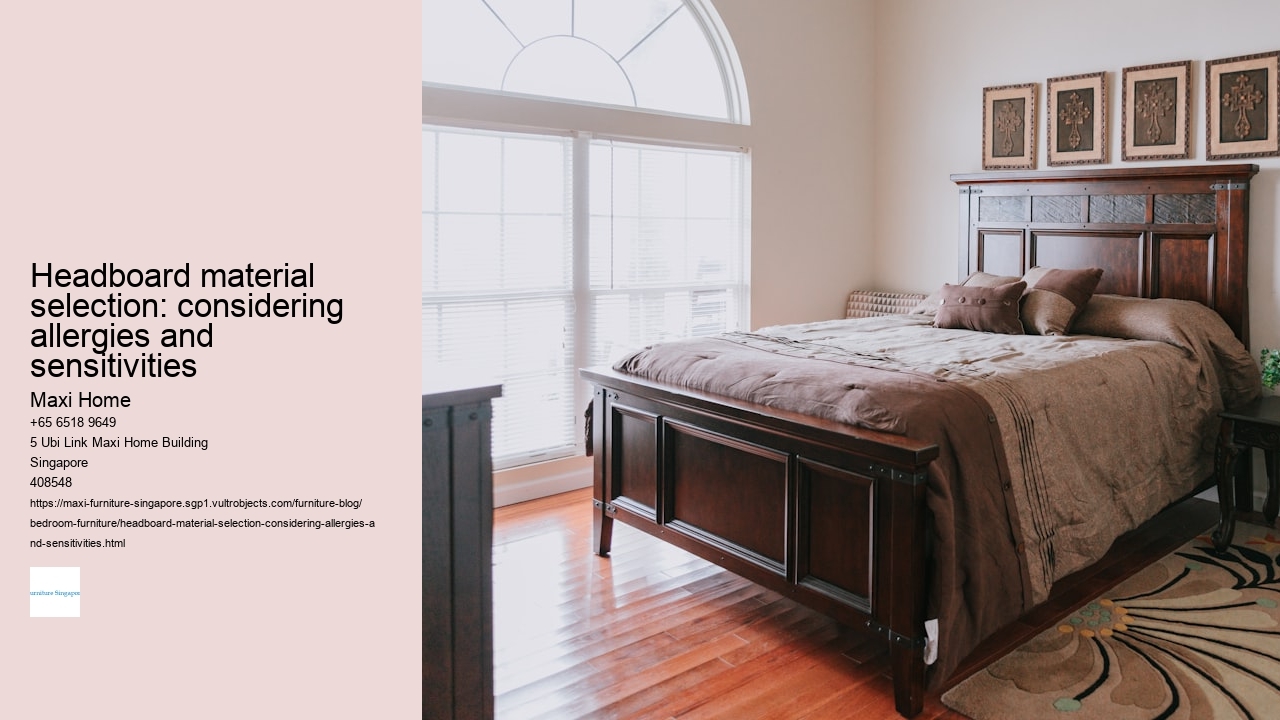
Solid Wood: A well-sealed solid wood headboard is a great option. Look for hardwoods like teak, mahogany, or even rubberwood (a popular and sustainable choice in Singapore). Make sure the wood is properly treated with a non-toxic sealant to prevent moisture absorption and mold growth. The beauty of solid wood bedroom furniture is that it's durable, easy to wipe down, and doesn't provide a lot of nooks and crannies for dust mites to hide. Plus, it can add a touch of natural elegance to your bedroom, ah?
Metal: Metal headboards, particularly those made of stainless steel or powder-coated aluminum, are another excellent choice. They're non-porous, so dust mites and mold can't easily penetrate them. They're also easy to clean – just a quick wipe-down with a damp cloth will do the trick. And metal headboards can be surprisingly stylish, ranging from sleek and modern designs to more ornate, vintage-inspired looks. Confirm can find something that suits your taste!
Leather or Faux Leather: Leather (or a good quality faux leather) can be a good option if you like the look of upholstery. Leather is naturally resistant to dust mites, and it's relatively easy to clean. Just be sure to choose a genuine leather that's been tanned using vegetable-based dyes, as some chemical dyes can be irritating. Faux leather is often a more affordable and animal-friendly alternative. Look for options that are PVC-free and made with low-VOC materials. Remember to clean and condition your leather headboard regularly to keep it supple and prevent cracking.
Easy-Clean Fabrics: If you're set on an upholstered headboard, look for fabrics that are tightly woven and easy to clean, such as microfiber or canvas. These fabrics are less likely to trap dust mites than looser weaves like velvet or chenille. You can also find fabrics that are specifically treated to be antimicrobial and hypoallergenic. And remember to vacuum your headboard regularly to keep it dust-free. It's a bit more effort, but worth it for a good night's sleep, right?
Now, let's talk about the headboard materials that might not be the best choice for allergy sufferers. While they're not necessarily *off-limits*, they require a bit more caution and careful consideration.
Velvet and Chenille: These fabrics are beautiful and luxurious, but they're also dust mite magnets. Their plush, textured surfaces provide plenty of hiding places for these pesky critters. If you're really set on a velvet or chenille headboard, be prepared to vacuum it frequently and consider using a dust mite-proof cover.
Untreated Wood: As mentioned earlier, untreated wood can absorb moisture and promote mold growth. If you're buying a wooden headboard, make sure it's been properly sealed with a non-toxic sealant. And avoid placing it in a particularly humid area of your bedroom.
Particleboard and MDF: These engineered wood products are often used in cheaper furniture, but they can off-gas VOCs for a long time. Look for options that are certified to be low-VOC or formaldehyde-free. And consider sealing the edges of the particleboard or MDF to prevent further off-gassing.
Heavily Dyed or Treated Fabrics: Certain dyes and treatments used on fabrics can be irritating to sensitive skin. Look for fabrics that are naturally dyed or treated with hypoallergenic finishes. And always wash new bedding before using it to remove any residual chemicals.
Ultimately, the best way to minimize allergy risks is to choose materials that are easy to clean, resistant to dust mites and mold, and low in VOCs. If you're unsure about a particular material, don't be afraid to ask the retailer for more information or to request a sample to test for sensitivities. Your health and comfort are worth it!
So, you've chosen the perfect hypoallergenic headboard – congrats! But the work doesn't stop there. Maintaining a clean and allergen-free headboard requires a bit of regular effort. But trust me, it's worth it for a good night's sleep and a healthy home.
Vacuum Regularly: This is the single most important thing you can do to keep your headboard dust-free. Use a vacuum cleaner with a HEPA filter to remove dust mites, pollen, and other allergens. Vacuum your headboard at least once a week, paying special attention to any crevices or tufted areas.
Wipe Down Surfaces: For solid wood, metal, or leather headboards, wipe them down regularly with a damp cloth to remove dust and grime. You can use a mild detergent if necessary, but be sure to rinse thoroughly and dry the headboard completely to prevent moisture damage.
Use Dust Mite-Proof Covers: If you have an upholstered headboard, consider using a dust mite-proof cover. These covers are made of tightly woven fabric that prevents dust mites from penetrating the headboard. Wash the cover regularly according to the manufacturer's instructions.
Control Humidity: As we all know, Singapore's humidity can be a real challenge. Use a dehumidifier in your bedroom to keep the humidity level below 50%. This will help to prevent mold growth and reduce dust mite populations.
Air Out Your Bedroom: Open your windows regularly to air out your bedroom and improve ventilation. This will help to remove stale air and reduce the concentration of allergens.
Wash Bedding Frequently: Wash your sheets, pillowcases, and blankets at least once a week in hot water to kill dust mites. And consider using hypoallergenic bedding materials.
After a long day squeezing on the MRT and grinding through meetings, most Singapore homeowners just want to step into their house to a space that feels welcoming and calm instead of adding to the stress. A messy living area or an unrestful bedroom can make relaxing even tougher, especially when the whole family are trying to relax together. That’s where thoughtful living room interior design singapore really makes a difference—it turns everyday rooms like your hall, sleeping space, or cooking zone into private sanctuaries that actually help you recharge. With the right couch, mattress, or smart layout, suddenly walking through the door feels damn shiok, and simple upgrades can bring huge benefits to your mood and family time. Platforms like Wondrous La Vie make it easier to discover inspiration and match with designers who get the local HDB/condo style spot on. This format lets you easily generate multiple SEO-optimised variations while keeping the core keyword "interior design" stable in the middle for strong on-page targeting..By following these simple tips, you can keep your headboard clean, allergen-free, and a source of comfort rather than irritation. After all, a healthy bedroom is a happy bedroom, right?
Choosing a hypoallergenic headboard doesn't mean you have to sacrifice style. There are plenty of ways to customize your headboard to match your personal taste and bedroom décor. And with a little creativity, you can even incorporate hypoallergenic materials into a stylish and unique design.
DIY Headboards: If you're feeling crafty, consider building your own headboard. This allows you to choose the exact materials and finishes you want, ensuring that they're hypoallergenic and low-VOC. You can use reclaimed wood, metal pipes, or even fabric scraps to create a one-of-a-kind headboard that reflects your personality. Plus, it's a fun and rewarding project!
Upholstery Options: If you love the look of upholstery, but are concerned about allergies, consider using a removable and washable slipcover. This allows you to easily clean your headboard and keep it dust-free.
Leather, solid wood, and tightly woven fabrics are generally good choices as they are less likely to harbor dust mites and allergens, important for Singapores humid climate.
Avoid loosely woven fabrics or materials that tend to accumulate dust easily, as these can exacerbate allergies in Singapore’s environment.
Regularly vacuum your headboard and consider using allergen-proof covers to minimize dust mite exposure, especially important in Singapores humid conditions.
Solid wood is naturally hypoallergenic and easy to clean, making it a practical choice for Singaporean homes where dust and humidity can be concerns.
Yes, metal headboards are non-porous and easy to clean, making them a suitable option for allergy sufferers in Singapore.
High humidity can promote mold growth in certain materials. Opt for materials resistant to moisture and easy to clean to prevent allergic reactions.